Galta Ji Temple: The Monkey Temple of Jaipur
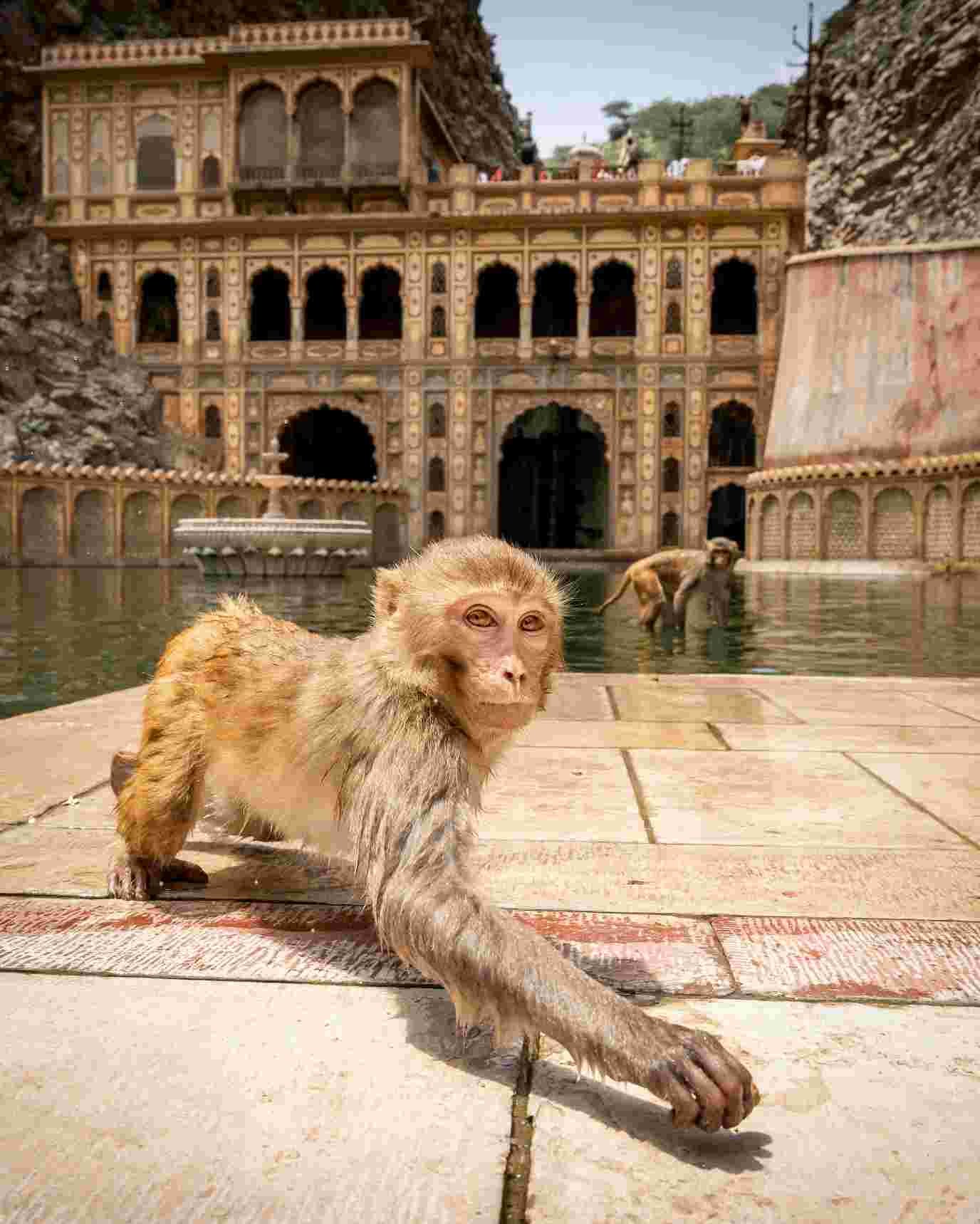
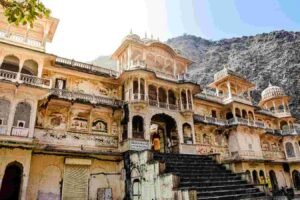
Galta Ji Temple is famous for its ancient scenic Hindu pilgrimage site in Jaipur. Now it’s renowned as the Monkey Temple due to its large population of rhesus macaques and langurs. Located within the Aravalli Hills, it is celebrated for its unique pink sandstone architecture, resembling a palace, and sacred natural water springs, seven holy kunds.
What are the key reasons for its fame?
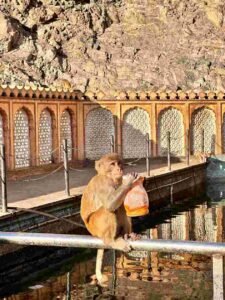
The Monkey Temple: because there are lots of monkeys, which are often fed by devotees and add to a unique, lively atmosphere.
Sacred water kunds: the temple is built around natural springs that feed seven holy tanks, kunds. The Galta Kund is believed to never run dry and is considered sacred for bathing.
Unique architecture: built in the 18th century, the structure is designed in pink sandstone to look more like a haveli mansion or a palace rather than a traditional temple.
Historical religious significance: it’s an ancient site with Saint Galva, who meditated here, and is a major center of the Ramanandi sect. It is believed to be placed to cleanse one’s sins.
A scenic location: tucked in the Aravalli Hills, it offers a dramatic, tranquil setting and a great view of the surroundings.
Major festivals: the temple is famous for Makar Sankranti, when thousands of devotees gather to bathe in the holy water. The
The temple is located about 10 km from Jaipur and is a major tourist attraction, often combined with visits to the nearby Galta Monkey Temple.
History of Galta Ji
The current complex was built in the 18th century, around 1730, by order of Diwan Rao Kriparam, a courtier of the Maharaja (king) of Jaipur, although the sacred character of the site is much older. Galtaji is made up of pavilions, temples, and elegant pink sandstone façades that harmoniously integrate into the mountainous landscape. At the centre of the complex lie its sacred water tanks, the true spiritual heart of the site. According to tradition, the water that fills them, coming from natural springs or kunds that never run dry, emerged thanks to the deep devotion of a sage named Galta. It is said that his meditation was so intense that the gods caused a miraculous spring to flow from the rock, ensuring he would never lack water and turning the site into a sacred space in the middle of the desert landscape
Galta Ji Temple: The Monkey Temple of Jaipur
Galtaji Temple, Jaipur, Timings
| Day | Timing |
|---|---|
| Monday | 5:00 am – 9:00 pm |
| Tuesday | 5:00 am – 9:00 pm |
| Wednesday | 5:00 am – 9:00 pm |
| Thursday | 5:00 am – 9:00 pm |
| Friday | 5:00 am – 9:00 pm |
| Saturday | 5:00 am – 9:00 pm |
| Sunday | 5:00 am – 9:00 pm |
Galtaji Temple, Jaipur, Entry Fee?
- No entry fee
What to wear in Galtaji?
Wear modest, comfortable clothing covering your shoulders and knees to respect this sacred Hindu site, such as light cotton kurtas, long skirts, or trousers. Choose slip-on shoes for easy removal at temple entrances. Avoid sleeveless tops, short skirts, and shorts.
Key Recommendations:
Clothing: Light, breathable fabrics are best (cotton/linen). Women should avoid revealing clothes; carrying a shawl is recommended to cover shoulders if needed.
Footwear: Comfortable walking shoes/sandals are essential for uneven, hilly paths, but they must be taken off frequently.
Essentials: Wear sunglasses and a hat/cap for sun protection. Avoid bright, dangling jewelry or food in open bags, as monkeys are attracted to them.
Galta Ji Temple: The Monkey Temple of Jaipur
Important tips:
Monkey caution: keep belongings in a secure closed bag to prevent monkeys from stealing items. Don’t tease the monkey.
Modesty: The site is a very deeply religious place. A convertible dress is expected.
Weather: If visiting in summer, wear light, breathable, and full-coverage clothing.
Sun Temple, Galta Ji
The Sun Temple stands tall on the city’s eastern hill range, the Galta Hills; locals also refer to it as the Surya Mandir. It’s one of the famous heritage temples; it comes on a route to Jaipur, Monkey Temple, or Galta Ji. Since its inception, the Sun Temple has been overseen by a priest’s family.
Maharaj Sawai Jai Singh II was crucial in the construction of Jaipur’s Surya temple.
History Of Sun Temple, Galta Ji
The Sun Temple (Surya Mandir) in Jaipur, located on the Galta hills, was built in 1734 AD by Diwan Rao Kripa Ram, a minister in the court of Maharaja Sawai Jai Singh II. Situated on the eastern edge of the city, it reflects the Rajput-era devotion to the Sun God (Surya), honouring the lineage of the Jaipur royalty as Suryavanshi.
Want a Galtaji tour? Just tap here and book now!
Tap here and start your unforgettable India journey today!