Shopping is one of the most enjoyable parts of visiting India and also one of the most overwhelming if you do not know where to start. Markets are colourful, sellers are enthusiastic, and it is easy to either overspend or walk away with nothing at all. Here is a simple, practical guide to what is genuinely worth buying in each of the three Golden Triangle cities.
Jaipur: The Best City for Textiles and Gemstones
Jaipur is often considered the shopping capital of the Golden Triangle, and for good reason.
Block-printed textiles are one of the city’s specialities. Look for bedspreads, scarves, and fabric lengths in Bapu Bazaar or Johari Bazaar, where local artisans still work with traditional printing blocks.
Gemstones and jewellery are another Jaipur speciality, since the city has been a centre for gem cutting for generations. If you want fixed, transparent pricing rather than heavy bargaining, government emporiums are a reliable, stress-free option.
Blue pottery is a Jaipur-specific craft, distinct from anything you will find elsewhere in India, and makes for a lightweight, easy-to-pack souvenir.
Agra: Marble Inlay and Leather Goods
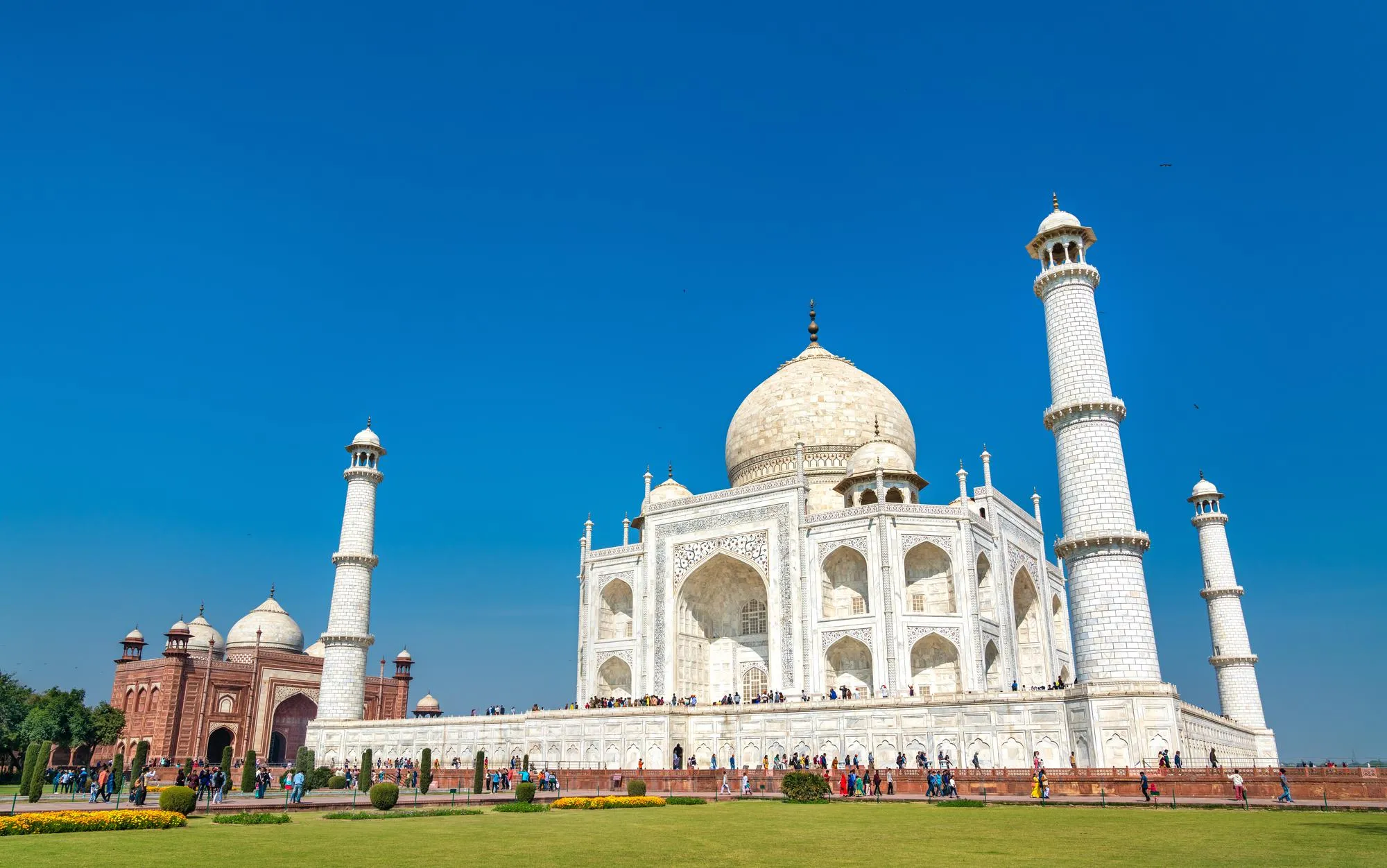
Agra’s shopping identity is closely tied to the craftsmanship behind the Taj Mahal itself.
Marble inlay work, known locally as pietra dura, is the same technique used to decorate the Taj Mahal, and small marble items like coasters, boxes, and tabletops make for a meaningful, story-rich souvenir.
Leather goods are also a strong option in Agra, with reasonably priced bags, belts, and footwear available across the main market areas.
A quick tip: if a marble item is priced unusually low, it is worth asking whether it is genuine marble inlay or a printed imitation, since both are common and only one holds up over time.
Delhi: Everything, in One Place
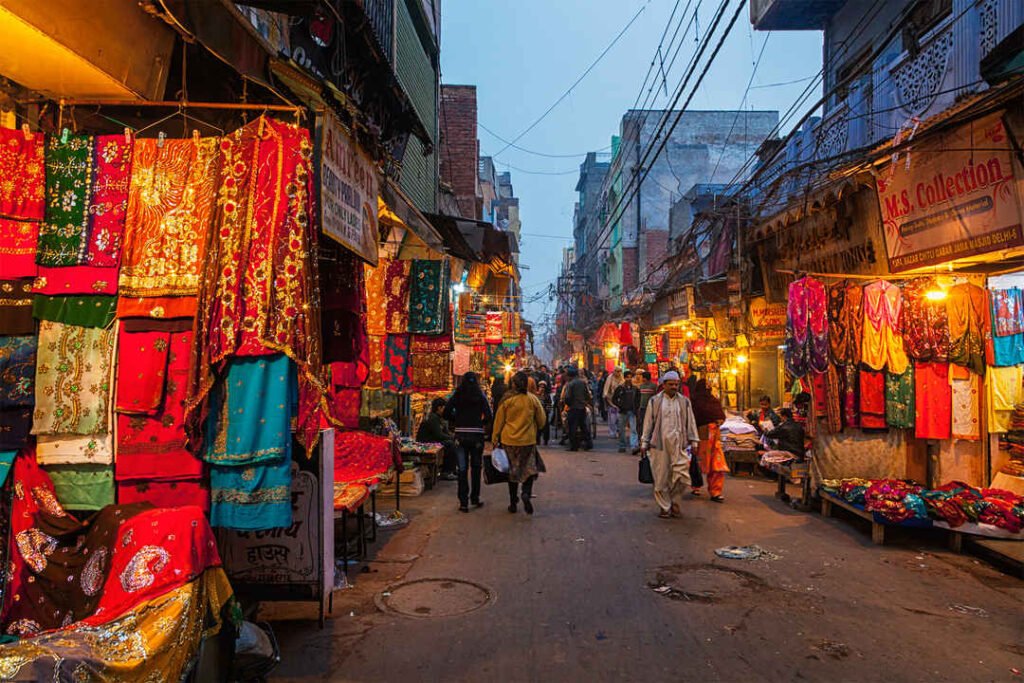
Delhi is less about one speciality and more about variety, since it pulls together crafts and goods from across the entire country.
Dilli Haat is one of the best single stops for handicrafts from multiple Indian states in one market, useful if you want variety without visiting several cities.
Chandni Chowk is ideal for spices, textiles, and a genuinely local market experience, though it is busy and best visited with some time to spare rather than rushed.
Modern boutique stores across South Delhi offer a curated, fixed-price alternative if you prefer a calmer shopping experience over market haggling.
A Few Practical Shopping Tips
Bargaining is expected in open markets, but not in fixed-price shops or malls. A relaxed, friendly tone works far better than an aggressive one, and often turns into a pleasant exchange rather than a tense negotiation.
Keep receipts for higher-value items, especially gemstones or larger marble pieces, in case you need them for customs on your way home.
Ask your guide before you shop. A trusted local guide usually knows which shops are reliable for quality and fair pricing, which can save you from an overpriced or lower-quality purchase.
The Bottom Line
Shopping in India does not need to be stressful once you know what each city is actually known for. Jaipur for textiles and gemstones, Agra for marble inlay and leather, and Delhi for sheer variety in one place. A little planning turns market shopping from overwhelming into one of the best parts of the trip.
Planning your trip to India? Fill out this form and get a free, no-obligation quotation, and we will point you toward the best, most trustworthy shopping spots along your route.