Planning your first trip to India comes with a special kind of excitement and a special kind of “Wait, how does this actually work?” feeling. That second part is completely normal. Every country has its own rhythm, and India’s is rich, layered, and a little different from what most first-time visitors are used to.
This guide covers the four things people ask about most before they land: what to eat, how to handle money, whether language will be a problem, and how to actually get from place to place. Nothing complicated, just the practical basics.
Food: What to Eat and What to Be Careful With
India’s food is one of the biggest reasons people fall in love with the country, and it is also one of the biggest sources of pre-trip nerves. Here is the simple version.
Eat where there is a steady crowd. A busy stall or restaurant means high turnover, which means fresher food. This one rule alone solves most of the worry.
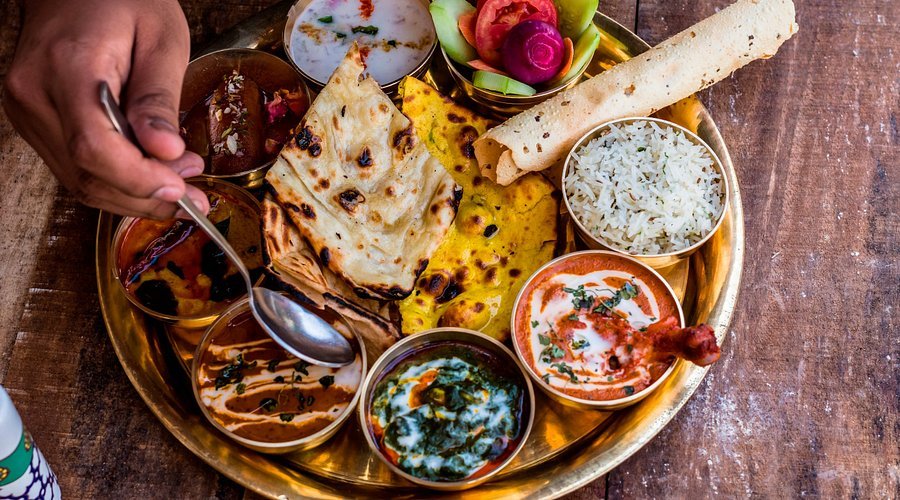
Stick to freshly cooked, hot food rather than anything that has been sitting out. Curries, kebabs, fresh rotis and thalis are usually very safe bets.
Drink only bottled or filtered water, and check that the seal is intact when you buy bottled water. Avoid ice unless you are at a hotel or a well-established restaurant that you trust.
Ease into spice levels. Indian food can be genuinely spicy, and it is completely fine to ask for a dish to be made mild. No one will think less of you for it.
Carry a basic stomach-settling remedy, just in case, the same way you would for any new cuisine anywhere in the world. Most first-time travellers never need it, but it is good peace of mind.
Money: How to Handle Currency and Payments
The currency is the Indian Rupee (INR). ATMs are widely available in cities and tourist areas, and they generally offer the best exchange rates compared to currency exchange countrs.
Carry some cash, but rely mostly on cards and UPI-friendly payment apps in bigger cities, where digital payments are extremely common, even at small shops and market stalls.
Tipping is appreciated but not mandatory. For guides and drivers, a modest tip at the end of a tour is a nice gesture. Hotels and restaurants often already include a service charge.
Bargaining is normal in markets, but not in fixed-price shops, malls, or government emporiums. A friendly, relaxed tone works far better than an aggressive one, and it is usually part of the fun rather than a stressful negotiation.
Language: Will You Be Able to Communicate Easily?
This is one of the most common hidden worries for travelers from the US, UK, Australia, New Zealand, and Canada, and the honest answer is reassuring: English is widely spoken across all major tourist circuits in India.
Hotel staff, guides, drivers, and most shop owners in tourist areas communicate comfortably in English. Signage in train stations, airports, and major monuments is also in English alongside the local language. You will pick up a handful of local words naturally along the way, but you will not need to study a phrasebook before you go.
Getting Around: Local Transport Made Simple
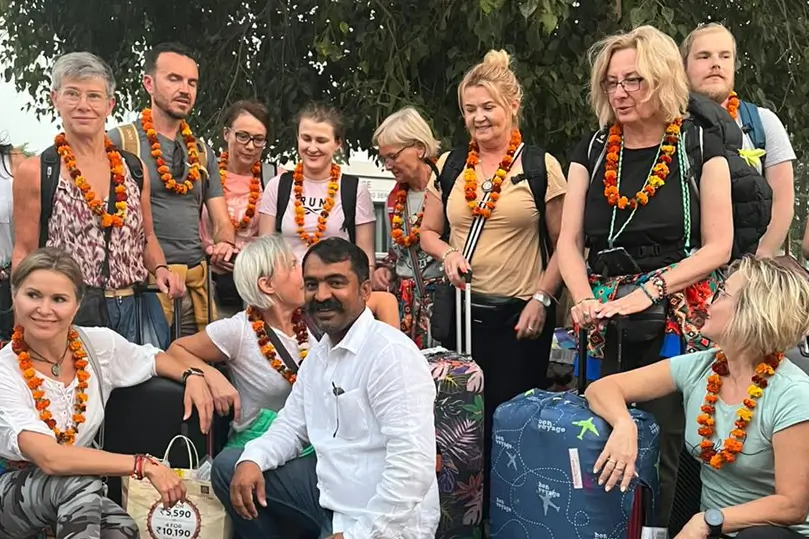
Private drivers and guided tours are the most comfortable option for first-timers. This is especially true if you are covering multiple cities, since a private vehicle removes the guesswork of local transport entirely and lets you focus on actually enjoying the trip.
Ride-hailing apps work well in most major cities, similar to what you would use at home, and are a reliable backup option for shorter trips.
Trains are a classic part of the Indian travel experience and are worth trying at least once, especially for scenic or heritage routes, though booking in advance is recommended during peak season.
Auto-rickshaws are fun for short local hops, and agreeing on a price (or asking for the meter) before you get in avoids any confusion.
Putting It All Together
None of this is meant to make India sound complicated. If anything, it is the opposite. Once you know the basics, food becomes one of the best parts of the trip, payments are simple, language is rarely a barrier, and getting around is far easier than most first-timers expect, especially with the right local support in place.
The travellers who enjoy India the most are usually the ones who arrive with a loose, practical plan rather than either no plan at all or an over-scheduled itinerary. A little preparation goes a long way, and the rest is simply showing up and letting the country surprise you.
Planning your trip to India? Fill out this form and get a free, no-obligation quotation tailored to exactly what you want to see and experience.