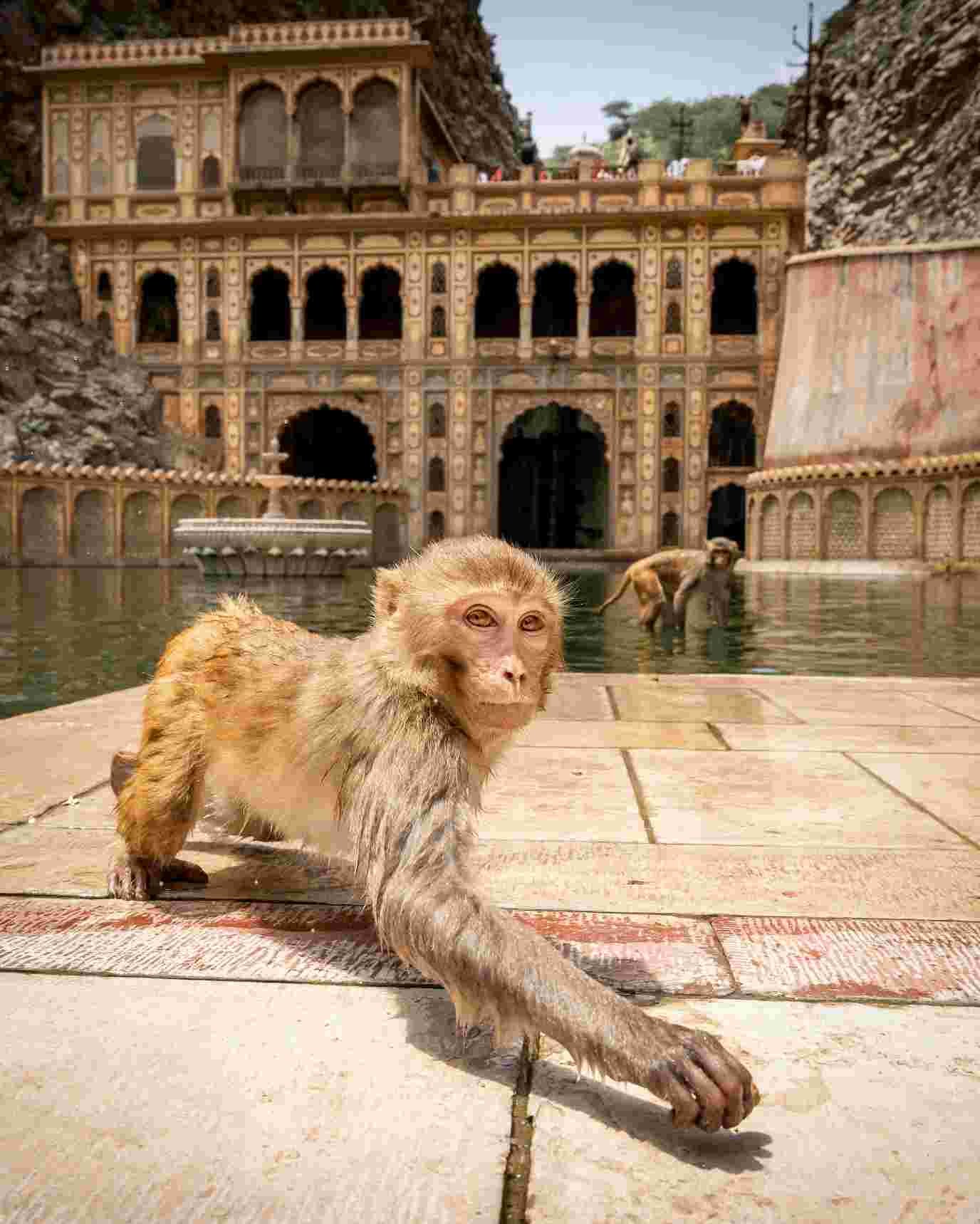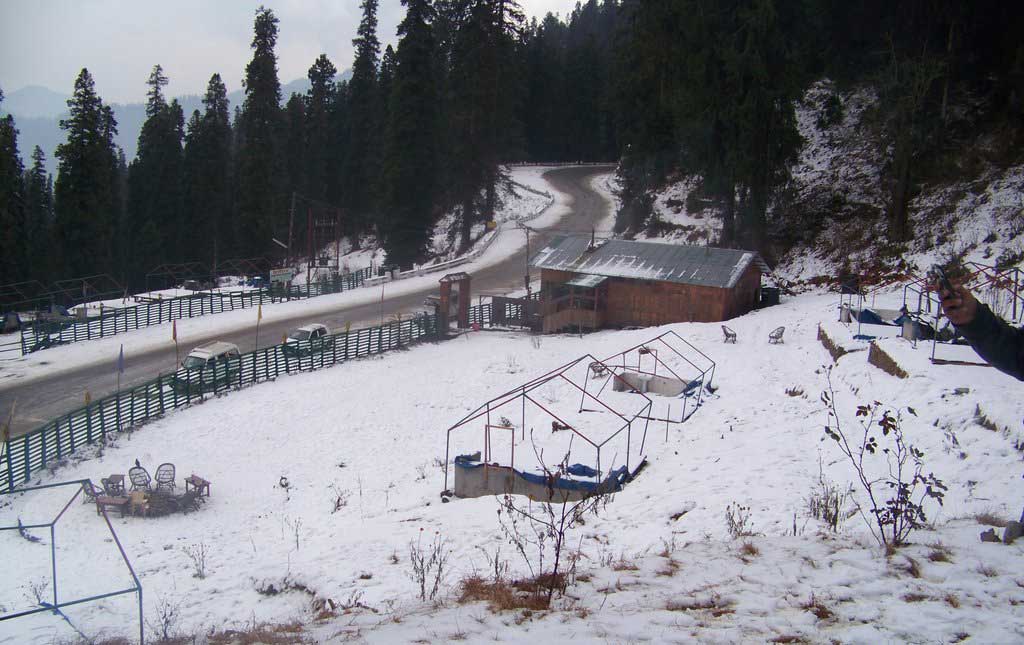
Most people planning their first trip to India assume they have to choose. Either the classic heritage route, palaces, forts, and the Taj Mahal, or a wildlife adventure chasing tigers through the jungle. Here is the good news: you do not have to choose at all. With the right itinerary, both fit comfortably into a single trip.
Here is exactly how to combine them and why more travellers are doing it every year.
Why This Combination Works So Well
India has a rare advantage that few countries can match. Its most famous heritage sites and some of its best wildlife reserves sit close enough together to combine without adding days of extra travel.
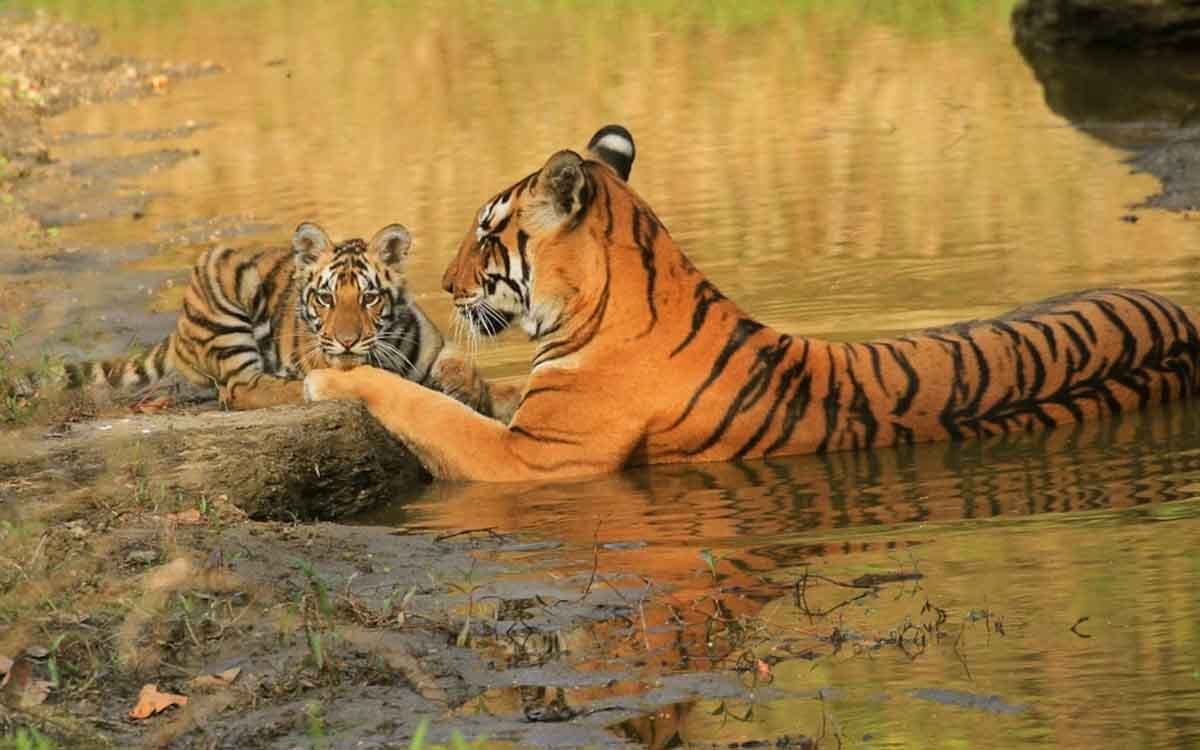
Ranthambore National Park, one of India’s most reliable places to spot a wild tiger, sits almost directly between Agra and Jaipur. This means a tiger safari does not require a separate trip or a long detour. It slots naturally into the Golden Triangle route you were likely already planning.
What a Combined Itinerary Actually Looks Like
A typical combined trip might flow like this:
Delhi – Arrival, a day exploring the capital’s mix of Mughal history and modern city life.
Ranthambore – A short journey from Agra brings you into tiger territory. Most travellers spend one to two nights here, with two safari drives being the sweet spot for a genuine chance at a sighting without over-committing time.
Jaipur – From Ranthambore, continue on to the Pink City for forts, palaces, and markets, closing out the trip on a cultural high note.
This structure adds roughly two to three days to a standard Golden Triangle itinerary, which is a small addition for a genuinely different kind of experience layered into the same trip.

What to Actually Expect From a Tiger Safari
This is worth setting honest expectations for, since it is one of the most common questions travellers have.
Sightings are not guaranteed, and any operator who promises a guaranteed tiger sighting is not being fully honest with you. Ranthambore has one of the highest tiger densities in India, which gives you a strong chance, but wildlife does not follow a schedule.
Two safari drives significantly improve your odds compared to just one, since tigers move across large territories and are not always near the entry points on any given day.
Even without a tiger sighting, the safari itself is worthwhile. Ranthambore’s landscape, ancient fort ruins scattered through the park, and the sheer range of birds and other wildlife make the experience rewarding on its own.
Early morning drives tend to be more active than afternoon ones, particularly in cooler months, so it is worth prioritizing a morning slot if you can only fit in one drive.
Best Time to Add a Wildlife Component to Your Trip
Ranthambore is open for safaris roughly from October through June, with the park closed during the peak monsoon months for conservation reasons. This lines up conveniently with the same October to April window that is generally considered the best time to visit the Golden Triangle overall, so there is no real scheduling conflict to work around.
Is This Combination Right for You?
This pairing tends to work best for a specific kind of traveller:
If you love culture and history but want one genuinely different experience layered in, a two-night wildlife stop breaks up the temple-and-fort routine without derailing the trip.
If you are travelling with older children or teenagers, a safari often becomes the most memorable part of the entire journey for younger travellers who might otherwise find heritage sites less engaging.
If you have between 10 and 14 days available, this is close to the ideal window to comfortably fit both experiences without feeling rushed through either one.
If your trip is shorter than a week, it is usually better to focus fully on the heritage route and save the wildlife experience for a future visit, rather than compressing both into an exhausting pace.
A Few Practical Tips
Book safari permits in advance. Ranthambore limits the number of vehicles allowed into the park per drive, and permits for popular zones can sell out days or even weeks ahead during peak season.
Pack layers for early morning drives. Open-air safari vehicles get genuinely cold before sunrise, even though the day warms up quickly.
Bring binoculars if you have them. Even without a tiger sighting, they make a real difference for spotting birds and other wildlife at a distance.

The Bottom Line
You do not have to choose between the Taj Mahal and a tiger safari. With a well-planned route through Agra and Ranthambore on the way to Jaipur, both experiences fit naturally into one trip, without adding significant extra travel time. It is one of the most rewarding ways to see a completely different side of India, alongside the heritage sites most travellers already have on their list.
If you would like guidance on planning a route with a wildlife component, WWF’s India programmes offer useful background on conservation efforts across the country’s tiger reserves.
Planning your trip to India? Fill out this form and get a free, no-obligation quotation, including a wildlife add-on if you would like tigers and heritage in one unforgettable journey.