History Of Hawa Mahal
Hawa Mahal: Maharaja Sawai Pratap Singh constructed Hawa Mahal, popularly referred to as the “Palace of Winds”, in Jaipur, Rajasthan, in 1799. Designed by Lal Chand Ustad, this five-storey architectural wonder has 953 tiny windows that let royal women watch street activity without drawing attention to themselves. The palace’s distinctive honeycomb design allows for cool air circulation, providing a cool haven amid the summer heat. Combining Mughal and Rajput architectural elements, Hawa Mahal is a testament to Jaipur’s rich history and continues to enthral tourists with its ageless beauty and historical relevance.
Hawa Mahal Jaipur Timings
| Day | Timing |
|---|---|
| Monday | 9:00 am – 5:00 pm |
| Tuesday | 9:00 am – 5:00 pm |
| Wednesday | 9:00 am – 5:00 pm |
| Thursday | 9:00 am – 5:00 pm |
| Friday | 9:00 am – 5:00 pm |
| Saturday | 9:00 am – 5:00 pm |
| Sunday | 9:00 am – 5:00 pm |
Hawa Mahal, Jaipur Entry Fee:
Indians: Rs 102/-
Indian Student: Rs 52 /-
International tourist: Rs. 602/-
International Student: Rs. 302/-
What To Do Near Hawa Mahal
Popular Eateries Near Hawa Mahal
Laxmi Misthan Bhandar (LMB):
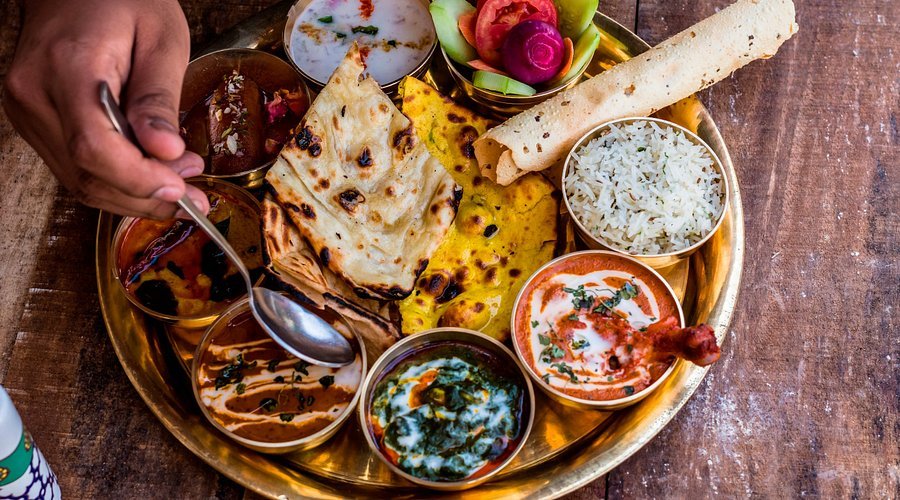
Famous for its sweets and traditional Rajasthani thali, LMB offers a range of delicacies like ghewar and paneer ghewar.
Wind View Cafe:
Located opposite Hawa Mahal, this cafe offers a stunning view of the palace along with delicious snacks like sandwiches, pizza, and refreshing drinks.
Tattoo Cafe:
Another great spot with a view of Hawa Mahal, offering a mix of Indian and continental dishes, including chai and light snacks.
Shopping around Hawa Mahal
Shopping around Hawa Mahal offers a vibrant and colourful experience, reflecting the rich culture and heritage of Jaipur. Here are some of the best places and items to explore:
Johari Bazaar
Jewellery: Famous for its exquisite jewellery, including traditional Kundan, Meenakari, and Polki designs. Gems: A wide variety of precious and semi-precious stones.
Tripolia Bazaar
Lac Jewellery: Known for its unique lac bangles and other jewellery items. Brassware: Intricately designed brass items and traditional artefacts.
Bapu Bazaar
Textiles: A great place to buy traditional Rajasthani textiles, including Bandhani and Leheriya sarees and dupattas. Mojari Shoes: Handmade leather shoes with intricate embroidery.
Chandpol Bazaar
Handicrafts: Wooden and marble carvings, traditional puppets, and pottery. Furniture: Antique and handcrafted furniture pieces.
Kishanpole Bazaar
Textiles and Fabrics: Known for its handloom products, especially traditional Bandhani and cotton fabrics.
Nehru Bazaar
Blue Pottery: Famous for Jaipur’s signature blue pottery items, including vases, plates, and decorative items. Trinkets and Souvenirs: A variety of small gifts, bags, and traditional Rajasthani items.
Sireh Deori Bazaar
Camel Leather Items: Bags, wallets, and shoes made from high-quality camel leather. Rajasthani Crafts: Local crafts, souvenirs, and textiles.
Maniharon Ka Rasta
Bangles: A famous street known for its wide variety of colorful and intricately designed bangles.
Tips for Shopping:
- Bargaining: Don’t hesitate to bargain to get the best prices.
- Quality Check: Ensure you check the quality of items, especially textiles and jewelry.
- Local Crafts: Look for unique local crafts and support local artisans.
Want a Galtaji tour? Just tap here and book now!
Tap here and start your unforgettable India journey today!