

Ajanta Caves: A Complete Guide to India’s Ancient Rock-Cut Wonder
Ajanta Caves: A Complete Guide to India’s Ancient Rock-Cut Wonder
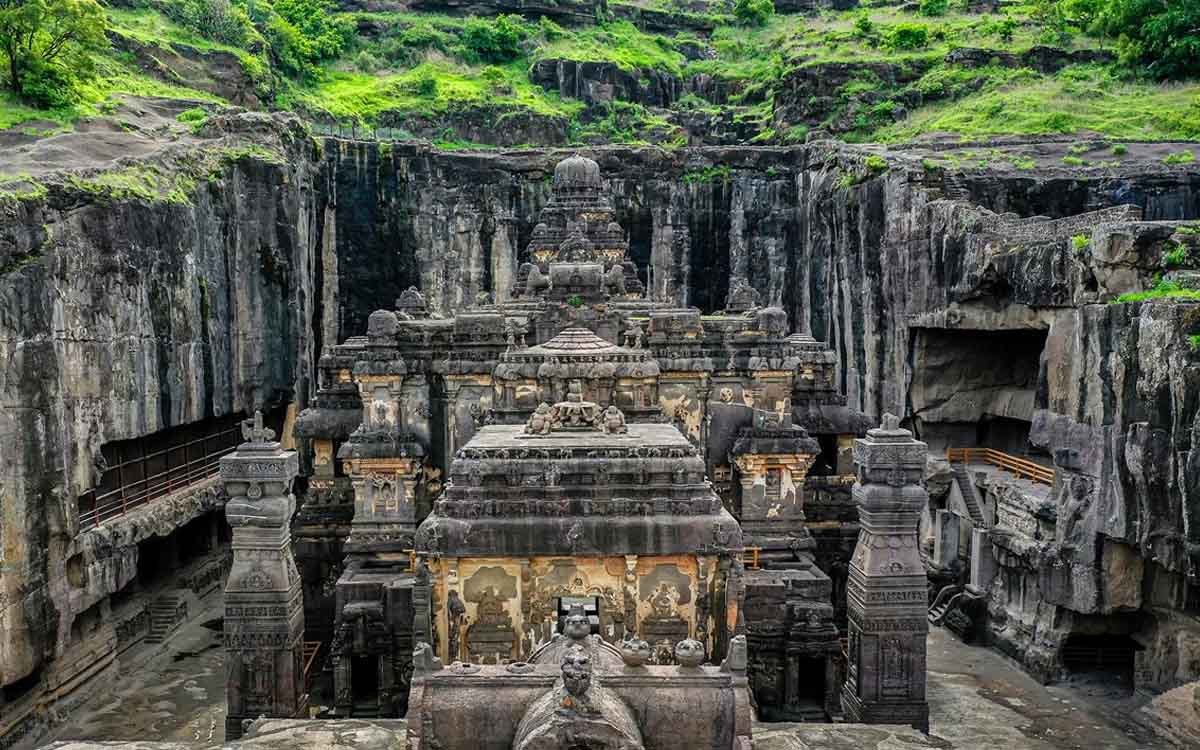
Carved directly into a horseshoe-shaped cliff in Maharashtra, the Ajanta Caves are one of India’s most extraordinary achievements and one of its most underrated. While the Taj Mahal and Rajasthan’s palaces tend to dominate most first-time itineraries, the Ajanta Caves offer something entirely different: over 2,000 years of Buddhist art, sculpture, and devotion, preserved in stone.
If you are considering a trip here, this guide covers what to expect, how to plan around it, and how it fits into a wider India itinerary.
What Makes the Ajanta Caves So Remarkable
The Ajanta Caves are a series of 30 rock-cut Buddhist cave monuments dating back to the 2nd century BCE, carved directly into a cliff face above the Waghora River. What makes them extraordinary is not just their age but their artistry. The caves house some of the finest surviving examples of ancient Indian painting and sculpture, with murals depicting the life of the Buddha in vivid, remarkably preserved detail.
Unlike many ancient sites that survive only as ruins, several of Ajanta’s murals still show visible color and expression, offering a genuine window into artistic techniques that are nearly two thousand years old. UNESCO recognized the site as a World Heritage Site in 1983, cementing its place as one of the most significant historical sites in the country.
What to Expect During Your Visit
The caves are divided into two types: chaityas, which served as prayer halls, and viharas, which functioned as monasteries where monks lived and studied. Walking through them, you move through a working religious complex that was active for centuries, not just a static museum display.
Caves 1, 2, 16, and 17 are generally considered the highlights, home to the most well-preserved murals and sculptural work. Photography without flash is typically permitted, though flash photography is restricted to protect the fragile pigments.
Plan for at least half a day here. The site is spread out, involves some walking and stairs, and rewards visitors who take their time rather than rushing through.
Ajanta in the Context of India’s Best Temples and Heritage Sites
If ancient architecture and spiritual history genuinely interest you, Ajanta pairs naturally with a wider exploration of the country’s religious heritage. For a broader look at the best temples in India, it is worth planning time beyond just this one site, since India’s temple architecture varies dramatically by region, era, and religious tradition.
Planning the Right Amount of Time
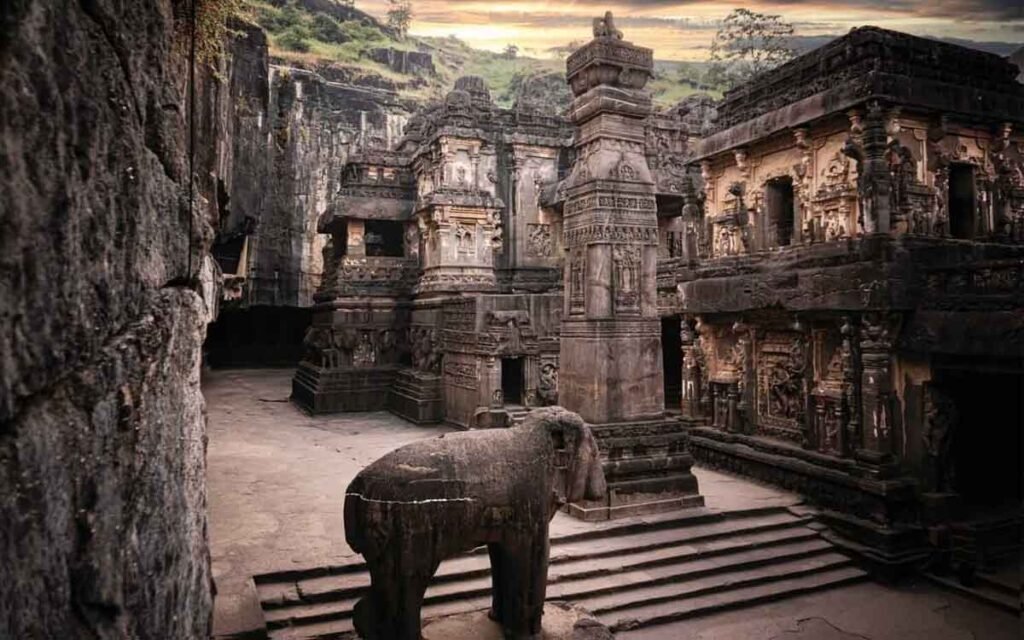
The Most Impressive Caves in India
One of the most common questions first-time visitors ask is “How many days do I need to travel to India for the first time?” Ajanta alone deserves at least a full day when you include travel time from nearby Aurangabad, and most travelers pair it with the nearby Ellora Caves, which adds a second day. If this is your first trip to India, it is worth building Ajanta into a wider itinerary rather than treating it as a rushed day trip.
Understanding the Real Cost of a Trip Like This
Heritage sites like Ajanta are often more affordable to visit than people expect, but they still factor into your overall trip budget alongside accommodation, transport, and guides. If you are still mapping out your numbers, how much does it really cost to travel to India is worth reading before you finalize your itinerary so there are no surprises once you land.
Getting There: Transportation Considerations
Ajanta is not part of most standard tour routes, which means getting there requires a bit more planning than, say, the Golden Triangle circuit. The nearest major hub is Aurangabad, roughly 100 kilometers away, and the drive itself passes through scenic rural Maharashtra. For a full breakdown of what is realistically available, from private drivers to trains and domestic flights, our guide to transportation options in India covers what actually makes sense for a site like this.
Food Along the Way
Aurangabad and the surrounding region offer their own distinct Maharashtrian food scene, quite different from what you will find in North India. If you enjoy trying local specialties as part of your travels, it is worth pairing this trip with a broader look at street food you must try in India, since some of the best regional dishes rarely make it onto standard tourist menus.
A Few Practical Tools Worth Having
Navigating a site like Ajanta, along with the wider trip around it, is far easier with the right apps on your phone. Offline maps, translation tools, and local transport apps all make a genuine difference once you are away from the more heavily touristed circuits. Our guide to useful apps you should know before traveling to India is worth reviewing before you go, particularly for a site like this that sits outside the more well-trodden route.
Should You Visit With a Guide?
Ajanta is one of those sites where a knowledgeable guide genuinely changes the experience. Without context, the murals and carvings are beautiful but easy to walk past without understanding their significance. With the right guide, each cave becomes a story. If you are still deciding who to book with, [how to pick the best tour operator for your India trip] is a useful read before committing to any single company.
Combining Ajanta With Wellness and Culture
For travelers looking to slow down after a few packed days of sightseeing, the region around Maharashtra also connects well with India’s growing wellness travel scene. If a slower, more restorative stretch of your trip appeals to you, it is worth looking into [the best yoga retreats in India] as a way to balance out the historical and cultural density of a stop like Ajanta.
And if your trip includes Rajasthan as well, pairing ancient cave art with royal architecture makes for a genuinely striking contrast. Exploring the best cultural experiences in Rajasthan alongside a site like Ajanta gives you two very different, equally compelling sides of India’s history in a single trip.
The Bottom Line
The Ajanta Caves are not the easiest stop to reach, and they are not part of most standard first-time itineraries, but that is exactly what makes them worth the detour. Few places in India let you stand this close to two-thousand-year-old artistry, still visible in color and detail on the cave walls around you. For travelers who want their trip to go beyond the classic circuit, Ajanta is one of the most rewarding additions you can make.
Planning your trip to India? Fill out this form and get a free, no-obligation quotation, and we will help you build a route that includes hidden gems like Ajanta alongside the classics.